

External wall insulation looks simple from the outside: boards on the wall, mesh, render. In reality it is a system of layers that must work together for decades – through Atlantic rain, wind, frost and sun. In Ireland, the standard way to prove that a system works is NSAI Agrément certification.
This guide explains what an NSAI Agrément external wall insulation system is, why buying a complete system matters and which mistakes cost contractors the most.
What is an EWI (ETICS) system?
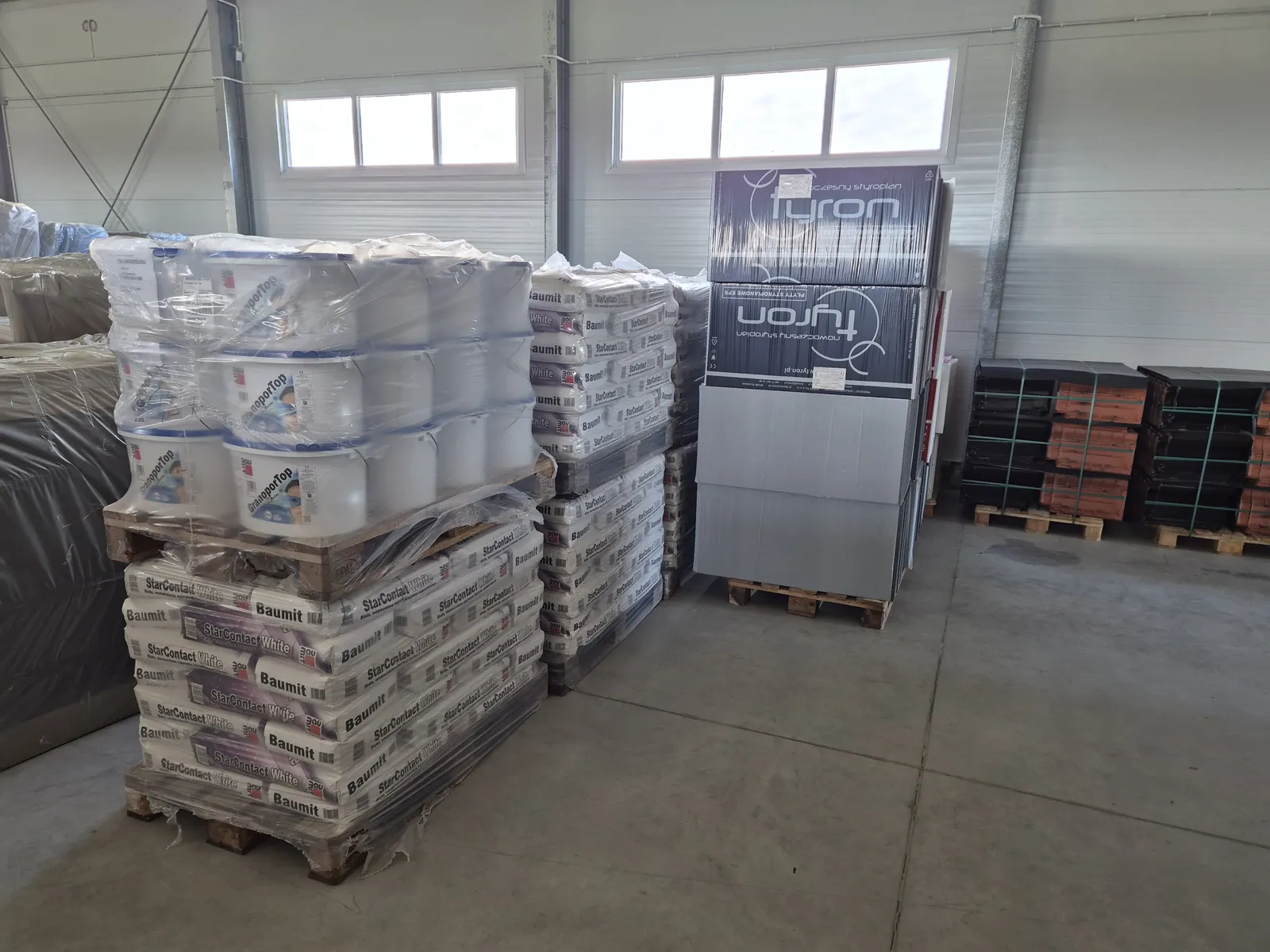
Across Europe, external wall insulation is called ETICS – External Thermal Insulation Composite System. In Ireland and the UK you will more often hear EWI. A typical system includes:
- Adhesive for fixing insulation boards to the wall
- Insulation – white or grey EPS, or mineral wool
- Mechanical anchors
- Base coat with glass-fibre reinforcing mesh
- Primer
- Decorative finish – acrylic, silicone, silicate or mineral render
- Accessories – starter tracks, corner and drip beads, window connection profiles, sealing tapes
What is NSAI Agrément certification?
NSAI Agrément is the Irish body that independently assesses building products and systems for fitness for purpose and compliance with Irish Building Regulations. For external wall insulation it certifies the complete system, not single products. Certified systems are listed on the NSAI website, where anyone can check whether a certificate is current.
A certificate covers a defined set of components, the wall types the system can be used on, design rules such as wind load and U-value calculations, and installation requirements. Certificate holders also run training and approval for installers.
Why certification matters for your project
- Grants. SEAI home energy grants for external wall insulation require an NSAI Agrément certified system and an NSAI-registered installer. Without both, the homeowner cannot get the grant.
- Building Regulations. A certificate is a straightforward way to show that the system is a proper material for its use.
- Warranty. System warranties usually apply only when all key components come from the certified system.
- Peace of mind for clients. Homeowners and architects increasingly ask for the certificate number before work starts.
Why you should never mix components
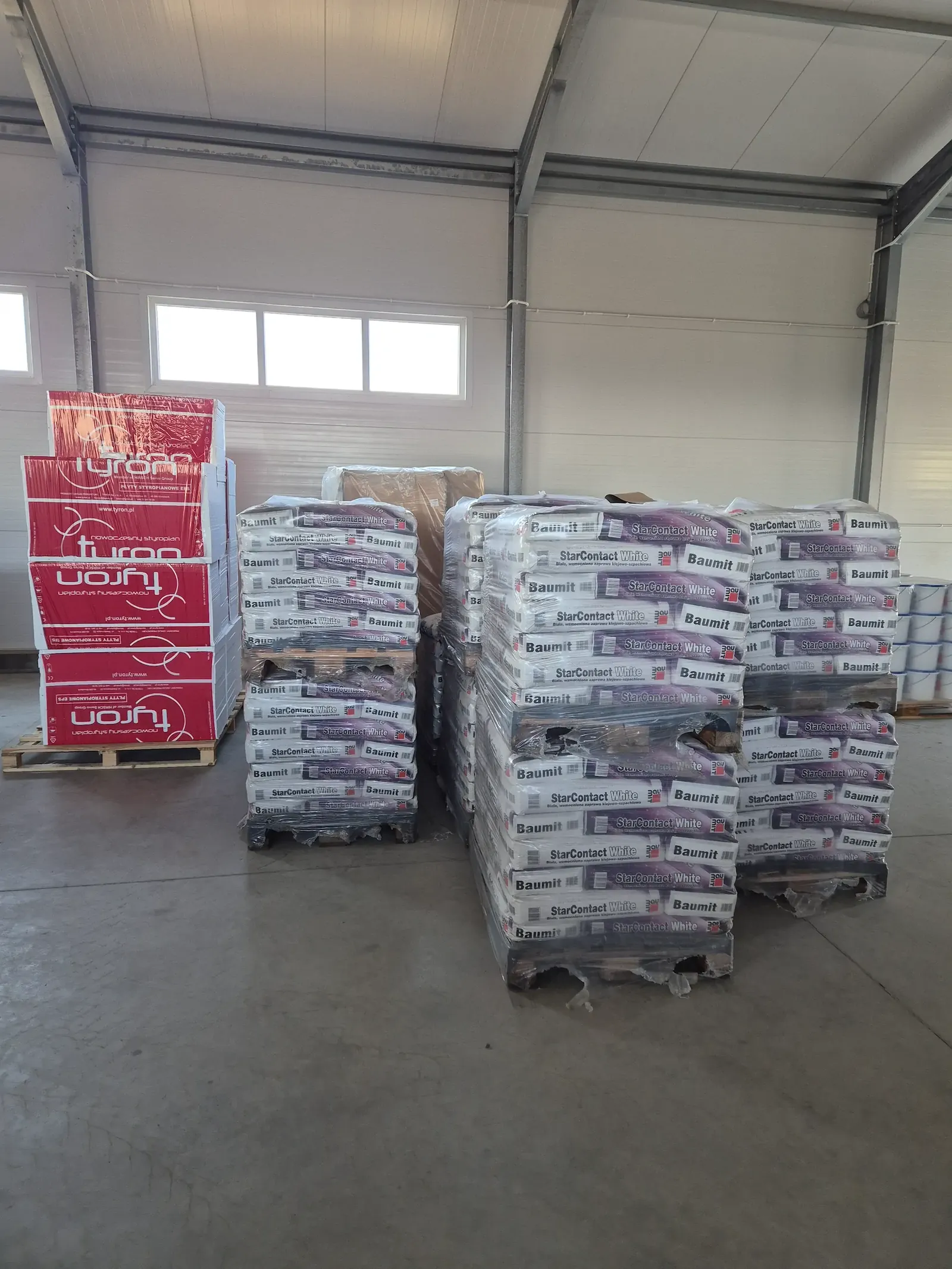
It is tempting to save money by using a cheaper adhesive, a different mesh or a render from another brand. The problem is that the certificate covers only the tested combination. A mixed system:
- is no longer the certified system, so grant eligibility and compliance can be lost
- can fail because products don't match chemically – for example render and primer
- usually loses the manufacturer's warranty
Common mistakes we see on site
- Premium boards fixed with a cheap, unsuitable adhesive
- Mesh with too low weight or no alkali resistance
- No primer under the decorative render
- Missing beads and profiles at windows, corners and the base – the weakest points of any facade
- Wrong anchors or too few anchors in high wind zones
- Rendering in frost or rain (see Winter Building Materials)
Polish manufacturers and NSAI-certified systems
Several Polish manufacturers of construction chemicals hold NSAI Agrément certificates for their external wall insulation systems. Poland is also a major producer of EPS boards and EWI components. For contractors, this means certified quality is available at competitive prices – as long as the system is specified and supplied correctly under the certificate.
Before you order, always check:
- Is the certificate current on the NSAI website?
- Does it cover your wall type and building type?
- Which components and board types does it list?
- Are you, or your installer, approved for that system?
How Actitrade helps
We supply EWI system components from Polish manufacturers – adhesives, white and grey EPS, mineral wool, anchors, mesh, primers, renders and accessories – in one consolidated delivery to Ireland, Northern Ireland and the UK. For certified projects, we help you check which systems hold a current certificate and work with you within its supply and design rules. Send us your project details and we will prepare a complete material list.
FAQ
Do I need an NSAI Agrément certified system for external wall insulation in Ireland?
For SEAI grant-funded work, yes. For other projects it is the clearest way to show compliance with Building Regulations, and many clients and designers require it.
How do I check if an EWI system is certified?
Search the list of current Agrément certificates on the NSAI website and check the certificate number, date and scope.
Can I use a different render on a certified system?
Only if the certificate lists it. Using an unlisted component means the installation is no longer the certified system.
What is the difference between ETICS and EWI?
They mean the same thing. ETICS is the European technical term; EWI is the common term in Ireland and the UK.
Do installers need to be registered?
For certified systems and grant-funded work, installers must be approved for the system and registered with NSAI Agrément.
Read next:
- Grey EPS vs White EPS for External Wall Insulation
- Polish Building Materials Supplier for Ireland & the UK
Planning an EWI project for 2027?
Send us drawings or wall areas now. We will prepare a complete system material list and offer with delivery. Contact us.