

At a glance: render finishes for ETICS facades
- 🎨 It's not just colour: mineral, acrylic and silicone renders differ in flexibility, breathability and dirt resistance, not only in finish appearance.
- 🧱 Match the system: the topcoat render must be compatible with the base coat and reinforcing mesh already specified in your ETICS system.
- 🌦️ Irish weather: silicone and silicone-acrylic renders are generally preferred on exposed Irish coastal or elevated sites for their water-repellent, low-dirt-pickup properties.
- 📋 One certified system: mixing base coats, meshes and topcoats from different manufacturers can void the system's ETA (European Technical Assessment) certification.
Why the render finish deserves its own decision
Most conversations about ETICS insulation systems focus on the insulation board itself — EPS, graphite EPS or mineral wool. The topcoat render is often left until late in the specification process, even though it is the layer that determines the building's final appearance, weather resistance and long-term maintenance.
Getting the render choice right matters just as much as choosing the right insulation board underneath it, and Poland's ETICS manufacturers, including Baumit and Ceresit, offer a wide range of certified render finishes designed to work as a complete system.
1. Mineral, acrylic and silicone renders compared
- Mineral renders: highly breathable, good fire resistance, more prone to hairline cracking and dirt pickup without a protective topcoat.
- Acrylic renders: flexible and crack-resistant, wide colour range, but lower vapour permeability than mineral renders.
- Silicone and silicone-acrylic renders: combine flexibility with high water repellency and low dirt pickup, generally the preferred choice for exposed Irish sites.
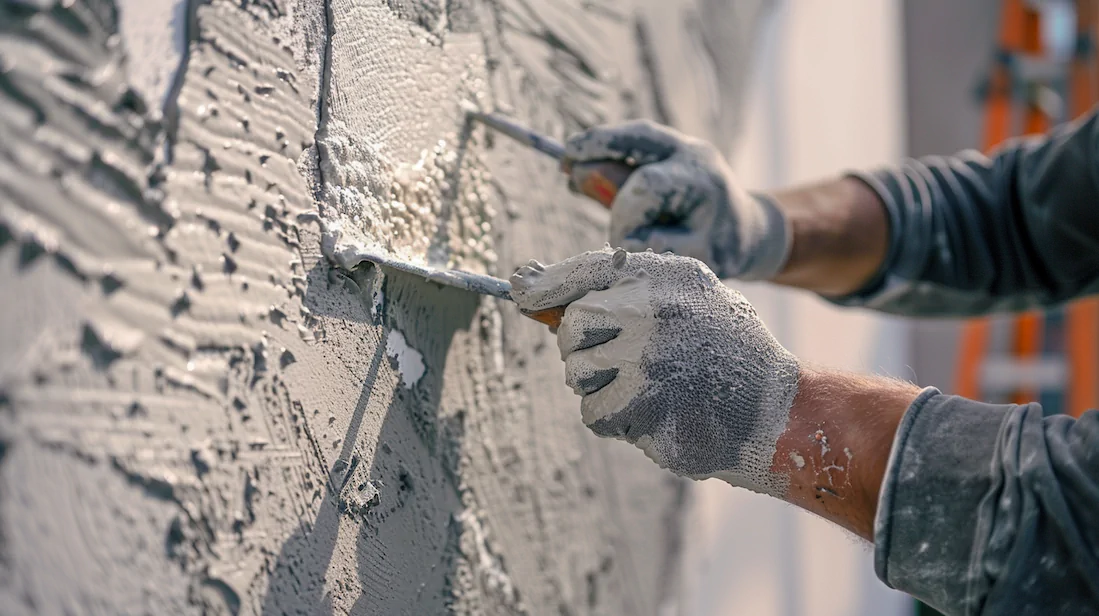
2. Keeping the system certified
ETICS systems are certified as a complete build-up — insulation board, adhesive, base coat, reinforcing mesh and topcoat render — under a European Technical Assessment (ETA). Substituting a render from a different manufacturer than the rest of the system can invalidate that certification, which matters for building control sign-off and any product warranty.
The fix: always specify the render as part of the same certified system as the insulation board, and request the ETA reference number from your supplier.
3. Colour, texture and maintenance
Darker render colours absorb more heat and are more prone to thermal stress cracking on ETICS systems; most manufacturers publish a maximum recommended light reflectance value (LRV) for each render type. Textured (scratch or roller) finishes also affect dirt pickup and cleaning frequency over the building's life.
| Render type | Breathability | Weather resistance | Best suited to |
|---|---|---|---|
| Mineral | High | Moderate | Sheltered sites, heritage-style finishes |
| Acrylic | Moderate | Good | General use, wide colour range |
| Silicone / silicone-acrylic | Moderate–high | Very good | Exposed, coastal or elevated Irish sites |
Specifying render for your ETICS project?
Actitrade sources complete, certified ETICS systems — including base coats, mesh and render topcoats — from established Polish manufacturers, and can advise on the right render finish for your site conditions.
Explore our exterior facades proposal or contact Actitrade to discuss your project.